
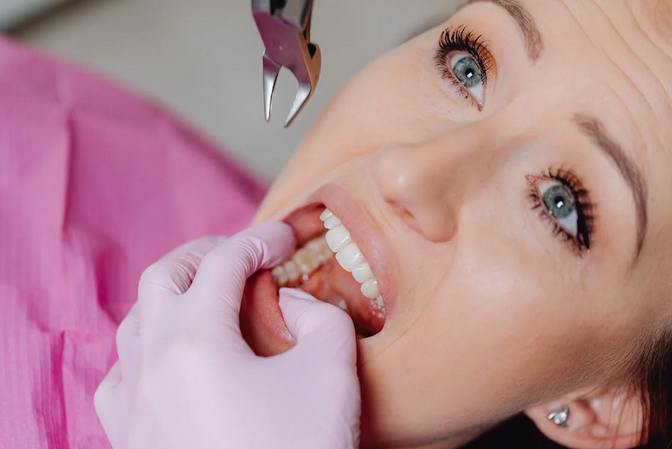
Dental health affects more than just your smile. Missing or damaged teeth can lead to pain, difficulty eating, and even reduced self-confidence. Dental implants offer a modern solution that restores function and appearance. Unlike dentures or bridges, implants provide a permanent option that integrates with your natural bone. This not only improves oral health but also enhances quality of life. Understanding their benefits helps you make informed choices about dental care.
Restoring Natural Function
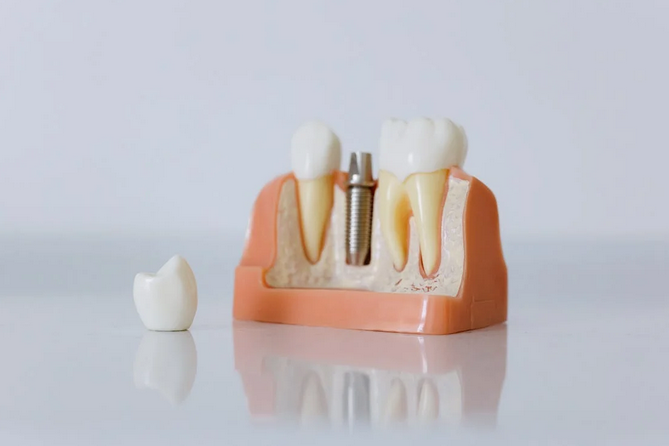
Dental implants mimic the structure of natural teeth. A titanium post is anchored into the jawbone, acting like a tooth root. This allows the replacement tooth to function like a natural one. Chewing, speaking, and biting become easier and more comfortable. Patients often notice immediate improvements in their ability to enjoy foods they previously avoided. This restoration of function reduces stress on surrounding teeth and prevents further oral health issues.
Preventing Bone Loss
Missing teeth can lead to jawbone deterioration over time. Without stimulation from tooth roots, the bone begins to shrink, causing changes in facial structure. Dental implants provide the necessary stimulation, preventing bone loss. Maintaining bone density helps preserve facial aesthetics and supports overall oral health. This unique benefit distinguishes implants from removable dentures, which do not prevent bone resorption.
Protecting Surrounding Teeth

Traditional bridges require grinding down adjacent teeth to support the prosthetic. Dental implants do not rely on neighboring teeth for support. This ensures surrounding teeth remain intact and healthy. By avoiding unnecessary alterations, implants maintain natural tooth structure. Preserving healthy teeth contributes to long-term oral stability and reduces the risk of future dental problems.
Enhancing Oral Hygiene
Implants are easier to maintain than many other dental restorations. Brushing and flossing around implants is similar to natural teeth. Unlike dentures, implants do not need removal for cleaning. This convenience encourages better daily oral hygiene. Maintaining clean and healthy gums is essential to prevent infections and other complications. Proper care also ensures the longevity of the implants, providing lasting benefits for oral health.
Improving Speech and Comfort
Missing teeth can alter speech and create discomfort. Slippage of dentures or gaps in the mouth can cause difficulty pronouncing words clearly. Dental implants provide a secure and stable solution. With implants, patients regain confidence in their speech and experience increased comfort. This improvement has a noticeable effect on social interactions and overall quality of life. Clear communication and comfort are simple yet profound changes that implants offer.
Boosting Confidence and Self-Esteem

A complete, natural-looking smile positively impacts self-esteem. Dental implants restore both function and appearance, giving patients the freedom to smile without hesitation. Feeling confident in social and professional settings improves overall well-being. The psychological benefits of a restored smile are as important as the physical ones. Patients often report enhanced quality of life and satisfaction after receiving implants.
Considering Long-Term Durability and Cost-Effectiveness
Dental implants are a long-lasting solution. While the initial cost may be higher, the long-term benefits and durability make them cost-effective. Reducing the need for repeated dental procedures ensures fewer disruptions to daily life and overall expenses. Choosing implants is a practical investment in both oral health and lifestyle.
Dental implants provide more than just a cosmetic solution. They restore natural function, prevent bone loss, and protect surrounding teeth. They improve oral hygiene, speech, comfort, and self-confidence. Their durability and personalized treatment make them a practical choice for long-term oral health. By integrating implants into a dental care plan, patients experience significant improvements in both oral function and quality of life.…
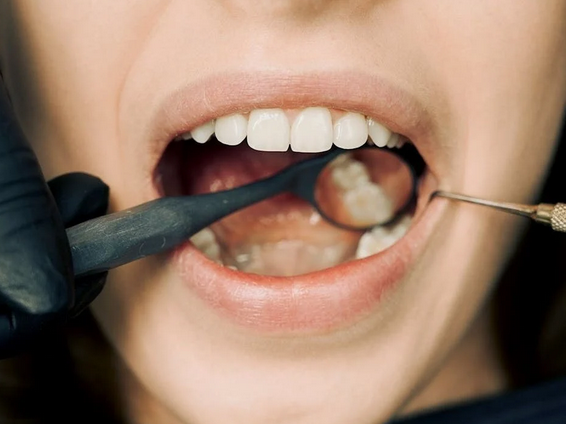
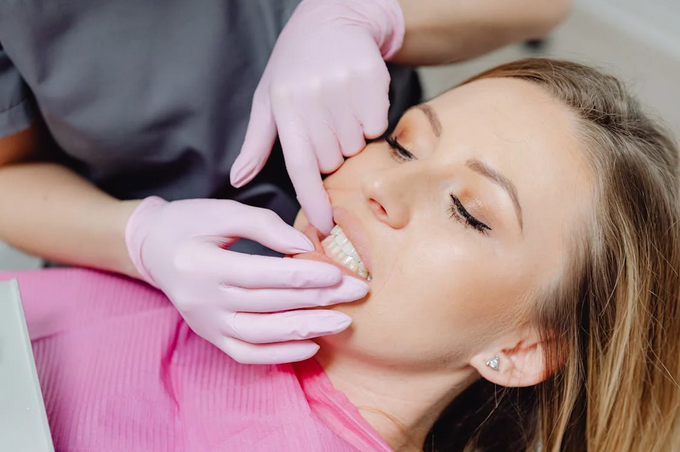

 Many people hesitate to consider dental implants because they fear pain. This is a common misconception that can deter potential candidates from seeking the treatment they need. In reality, the procedure involves local anesthesia and sedation options, ensuring comfort during surgery. Most patients report only mild discomfort afterward, comparable to a tooth extraction. Advancements in techniques and technology have made the process even more efficient. Skilled professionals focus on minimizing any potential pain points throughout the entire experience. Post-operative care usually includes prescribed medications for swelling or discomfort.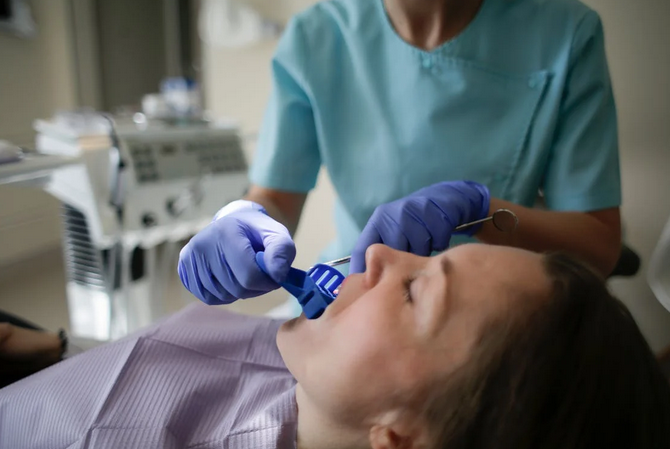
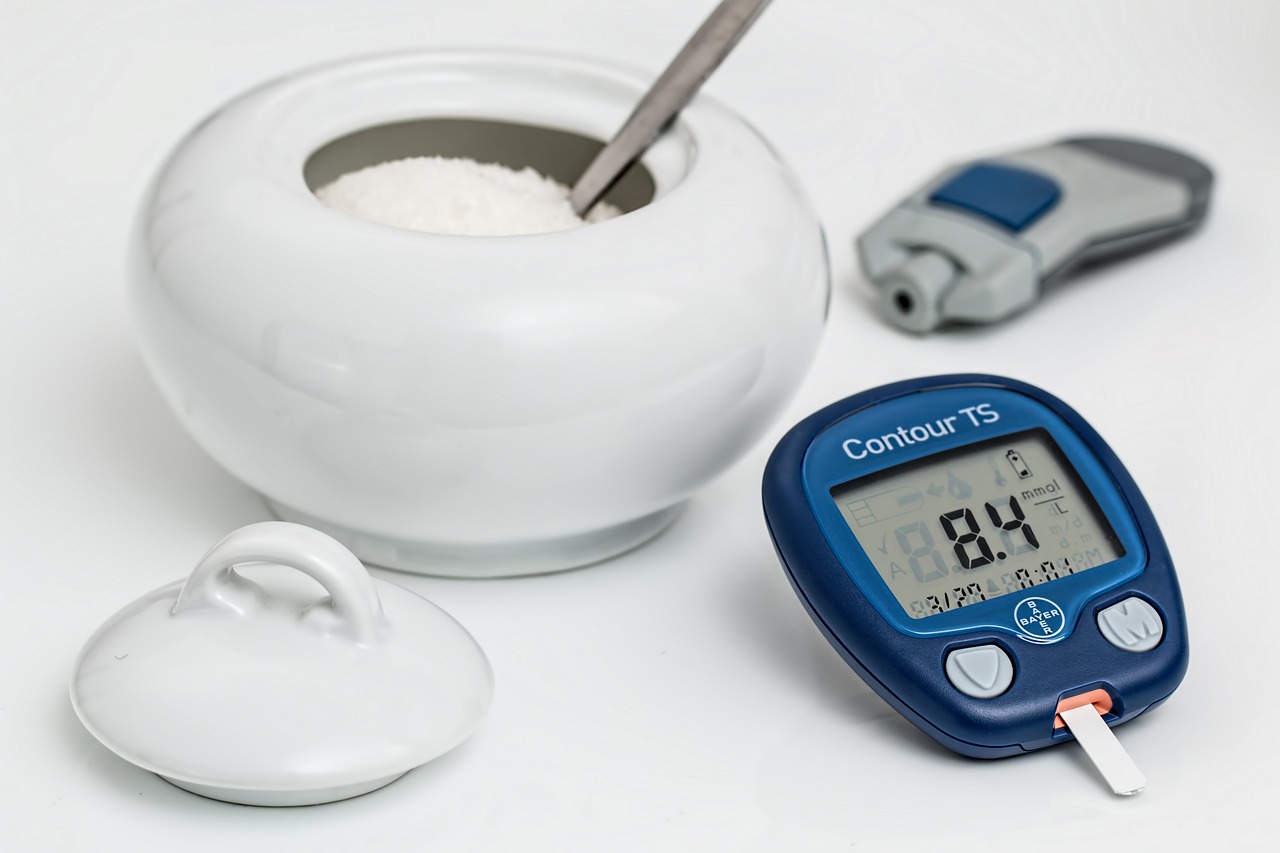
 One of the most effective ways to balance blood sugar levels is through mindful eating. This practice involves paying full attention to the whole eating experience, from food choices to portion sizes and eating speed. Mindful eating encourages individuals to listen to their body’s hunger and fullness cues, promoting a healthy relationship with food.
 Chronic stress triggers the release of stress hormones like cortisol, which can significantly

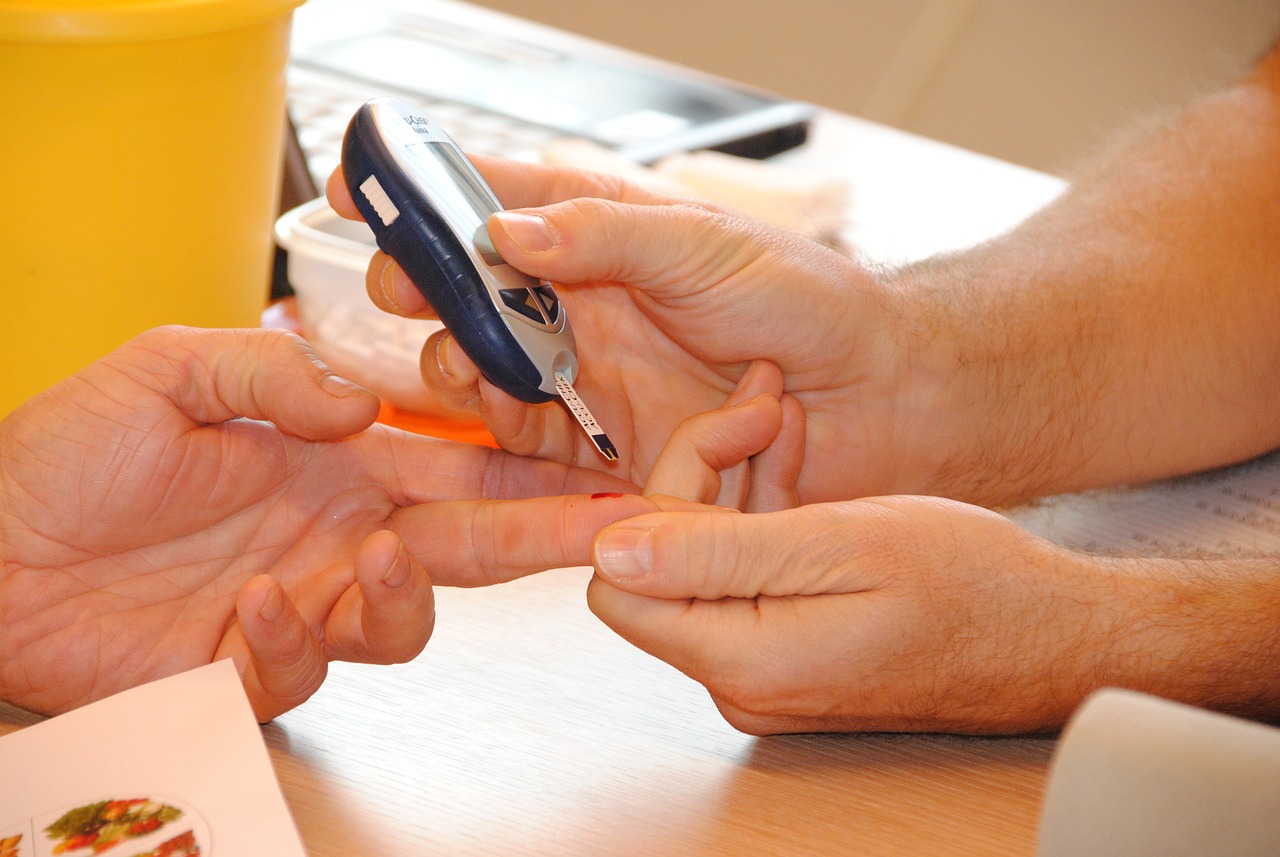
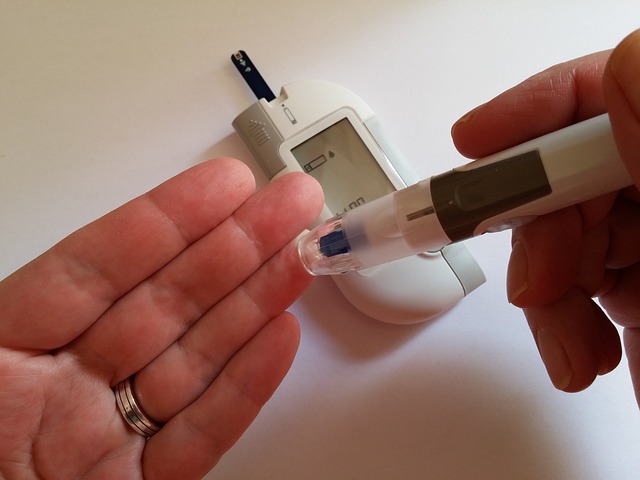

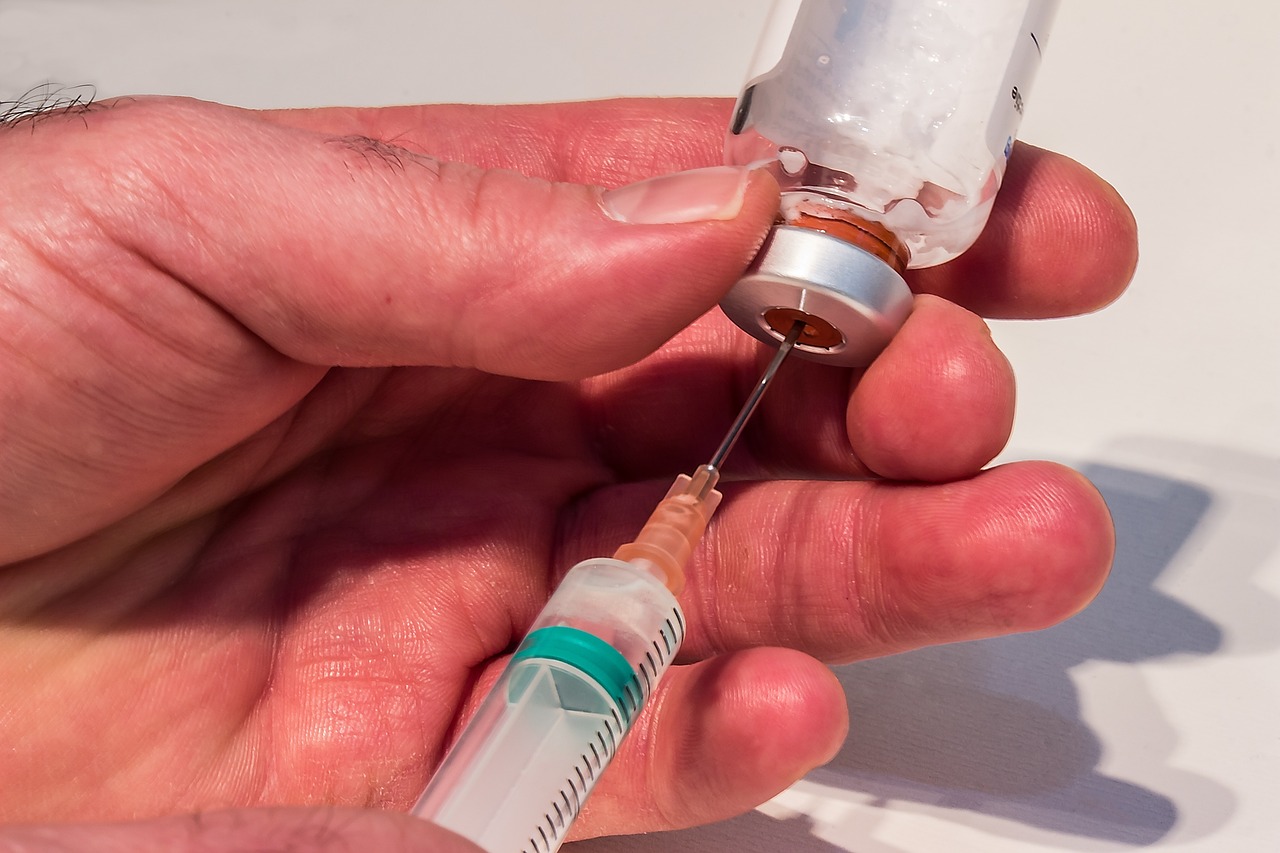

 There is a popular opinion that some people use HGH injections to “make up” for lost sleep by providing them with enough energy and focus throughout the day. However, this isn’t true at all. Human growth hormone injections are used to regulate metabolism and help repair tissue, but they can’t replace the need for rest and proper sleep. The amazing benefits of sleep can’t be replaced with anything else – no matter how many injections you take.
 If you face surgery, you should first try to negotiate a lower price with the hospital. It may seem daunting, but it is definitely worth your time and effort. However, before the negotiation, you should start by asking for a list of charges from the hospital. It will give you a starting point for negotiation. Also, don’t be afraid to ask for a discount. Remember, the hospital will not likely provide you with a lower price if you don’t ask. It’s also best to be prepared to negotiate. You may need to call multiple times or speak with different people before getting the price you want.
 Another thing you can do to reduce your medical bills is to check with your insurance company to see if the surgery is covered. Often, surgeries are considered medically necessary and are covered by most insurance companies. However, it’s always best to check with your specific insurer to be sure. They may have some exceptions that you are not aware of. If your surgery is not covered by insurance, there are still a few options available. You may be able to get financial assistance from the hospital or set up a payment plan.