
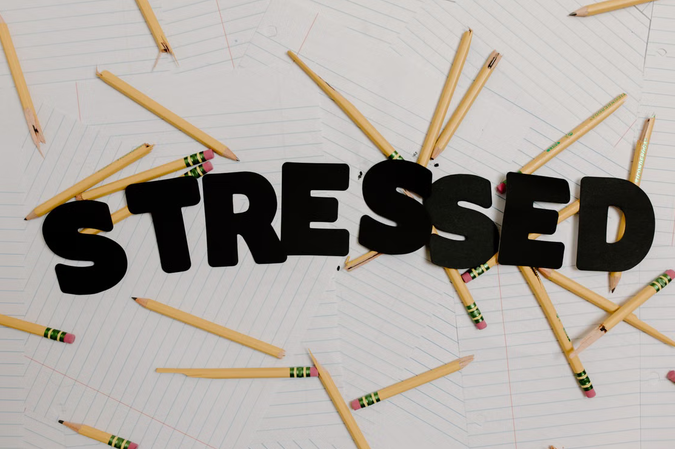
Stress can make your brain feel like a browser with 47 tabs open, three playing music, and absolutely no clue where the sound is coming from. A busy week or an unexpected bill can leave anyone feeling overwhelmed. Usually, that tension eases once the problem passes. But if stress sticks around, disrupts daily life, or makes even simple tasks feel impossible, it may be time to ask for professional support.
When Stress Stops Being a Passing Problem
Everyday stress often has a clear trigger, such as a work deadline, family disagreement, or financial concern. You might feel tense for a while, then gradually relax once the situation improves. Persistent stress behaves differently. It can follow you into bed, interrupt your sleep, and make Sunday evening feel like a horror movie trailer for Monday morning. Pay attention to how long these feelings last and how strongly they affect your routine. If you struggle to concentrate, lose interest in activities, or feel constantly on edge, your stress may need closer attention. No magic number of difficult days determines when help is appropriate. If your usual coping methods aren’t working, you can reach out before things get worse.
Physical and Emotional Warning Signs

Stress doesn’t stay politely inside your head. It can show up as headaches, muscle tension, stomach problems, fatigue, or changes in appetite. You may also notice a racing heartbeat or difficulty falling asleep, especially during demanding periods. These symptoms can have other medical causes, so avoid assuming stress explains everything. Emotional changes deserve equal attention. Small inconveniences may suddenly make you furious, or you may feel tearful, restless, or unusually worried. You might withdraw from friends because socializing feels like another item on an already ridiculous to-do list. If these changes persist or interfere with relationships, work, or self-care, consider talking with a qualified professional.
When Your Usual Coping Tricks Fall Short
A walk, a chat with a friend, or a relaxing hobby can help you recharge after a stressful day. However, these strategies may offer little relief when pressure becomes constant. You might keep working longer hours, scroll endlessly to escape your thoughts, or rely on alcohol to unwind. Such habits can create another set of problems while leaving the original stress untouched. Another warning sign is feeling trapped in a cycle you cannot seem to break. You wake up exhausted, push through the day, worry at night, and repeat the performance tomorrow. Professional support can help you identify patterns, build healthier coping skills, and address underlying concerns. A psychologist, counselor, or doctor can help you decide which kind of care fits your situation.
What Professional Support Can Actually Do

Talking to a mental health professional doesn’t mean you’ve failed at handling life. Think of it as getting a skilled coach when your usual playbook stops working. A therapist can help you understand your stress triggers, challenge unhelpful thought patterns, and practice techniques for managing difficult emotions. Depending on your needs, support may involve counseling, practical lifestyle changes, medical assessment, or a combination of approaches. You can make the first appointment easier by writing down your main concerns and how they affect your daily routine. Mention changes in sleep, appetite, concentration, mood, or physical comfort. You don’t need a perfect explanation or a dramatic breaking point to deserve help. If you’re unsure where to begin, a primary care doctor can discuss your symptoms and suggest appropriate next steps.
Bottom Line: Take Stress Seriously Before It Takes Over
You don’t have to wait until you’re completely overwhelmed before asking for help. Persistent worry, physical symptoms, emotional changes, and trouble managing daily responsibilities are all valid reasons to seek support. Start by telling someone you trust what you’ve been experiencing, then consider contacting a qualified health professional. Small steps count, even if your brain insists that adding one more task is the worst idea in human history. If you feel unable …